
How to Prevent Flats and Spend More Time Riding, Less Time Fixing
Updated: Dec 23, 2025
If you ride anywhere in the Pacific Northwest, flat tires stop feeling like bad luck and start feeling seasonal — right up there with moss, damp gloves, and that one rain jacket you swear is still waterproof. Wet pavement holds onto debris, vehicles wash grit into bike lanes, and whatever doesn’t blow away seems perfectly happy waiting for your tires.
Riders in places like Portland, Oregon know this routine well. One minute you’re cruising along, the next your bike feels like it’s auditioning to be a unicycle. The good news? Most bike flats aren’t inevitable. With the right setup — and a couple simple habits — you can spend a lot more time riding and a lot less time standing on the roadside wondering where all that glass came from.
Start With the Right Tires
Your tires are your first and most important line of defense against flats, especially in classic PNW conditions where moisture keeps debris glued to the road instead of politely disappearing down storm drains, or being swept away by street cleaners.
Commuter-focused tires like the Specialized Armadillo or Continental Gatorskin use tougher casings and harder rubber to block small pieces of glass, gravel, and road debris before they ever reach the tube. In cities like Portland, where bike lanes sometimes feel more like glass museums, that extra protection earns its keep quickly.
The tradeoff is ride feel. These tires are a bit heavier and ride firmer than lightweight, high-thread-count options. It’s not night and day, but if you’re used to very supple tires, you’ll notice it. For commuters, high-mileage riders, and anyone who prefers reliability over drama, it’s usually a smart exchange.
Tire Liners: Extra Insurance Inside the Tire
Tire liners — like Tuffy Liners or Earthguards — sit between the tire and tube, acting as a plastic shield against sharp intruders.


They're popular on hybrids, commuter bikes, and mountain bikes running smoother tires. In the PNW, where debris shifts constantly with rain and traffic, that extra layer can be comforting — like wearing a helmet even when you’re “just riding to the store.”
The key detail is tire pressure. Let pressure drop too low and liners can slide off center, leaving parts of the tread exposed. They also add a bit of rotating weight and slightly reduce tire suppleness. Not enough to ruin a ride, but enough that your bike will gently remind you they’re there.
Going Tubeless: Fewer Flats, More Riding
If you’re serious about reducing flats — especially if you ride often — tubeless is worth talking about.
Tubeless setups eliminate the inner tube entirely. The tire seals directly to the rim and uses liquid sealant inside. When you roll over something sharp, the sealant rushes to the hole and plugs it almost instantly. Many riders never even notice it happened until they spot a tiny sealant freckle later and think, “Huh… neat.”
This works especially well in the Pacific Northwest, where most punctures come from small debris rather than catastrophic impacts. Tubeless shines on mountain bikes and gravel bikes, and it’s becoming more common on commuters with tubeless-ready wheels — including plenty cruising around Portland.
You also get to run lower pressures without pinch-flat risk, which means better traction on wet pavement, gravel paths, and broken asphalt. That extra grip can be the difference between a confident corner and a slow-motion “whoa whoa whoa.”
Tubeless isn’t perfect. Setup takes a little patience, sealant needs refreshing every few months, and a big cut can still mean installing a tube mid-ride. But for many riders, it ends up being the least hands-on option long term. Fewer roadside repairs, fewer tube swaps, and more rides that just keep going. Sealant systems from brands like Stan’s NoTubes, Muc Off, Peaty's Biofibre, and Silca, have been around long enough now that the process is reliable and well understood.
Slime: When the Flat Has Already Started

Slime is a liquid sealant you inject into a tube. When a small puncture happens, the sealant flows to the hole and seals it from the inside.
It works well for tiny punctures, but it’s not magic. At higher speeds — especially on road bikes — the liquid can pool and cause a subtle wobble, which is… unsettling at best. Combined with higher tire pressures which can force the liquid out rather than plug the hole, that’s why it’s generally not recommended for road setups.
Where Slime works best is low-pressure riding: cruisers, balloon tires, and casual bikes where the main goal is “don’t make me stop.”
Thorn-Proof Tubes: Heavy, Simple, Effective
Thorn-proof tubes rely on one strategy: thickness.
They’re heavy — probably the heaviest option here — but they’re also affordable and effective. That makes them a solid choice for kids’ bikes, utility bikes, and everyday rides where durability matters more than ride feel.
Not flashy. Very dependable. Basically the cargo pants of inner tubes.
The Cheapest Way to Prevent Flats (Most Riders Skip This)
No matter what setup you run, this part applies to everyone riding in the Pacific Northwest — including Portland, Oregon riders.
Keep your tires properly inflated.
Bike tires naturally lose air, often 1–2 PSI per week. Under-inflated tires are more likely to pinch flat, let debris work deeper into the tread, and reduce the effectiveness of liners or sealant. Check pressure at least every couple of weeks. Your tires will thank you, quietly.
And here’s a long-standing bike shop secret: a metal dental pick.
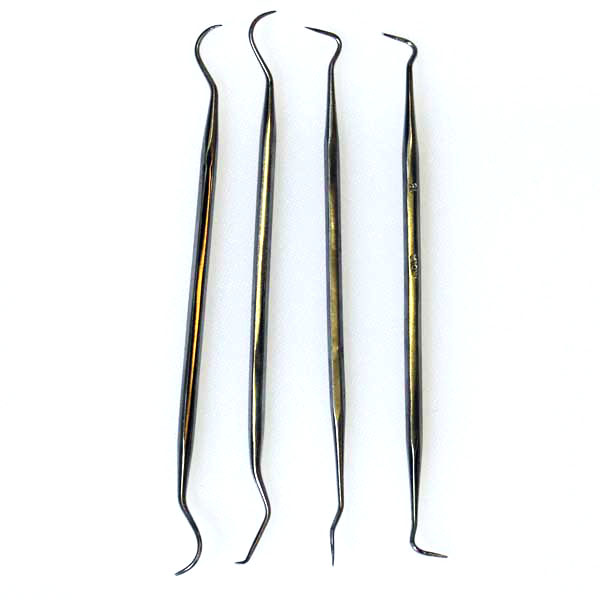
Once a week — or after a few rides — inspect your tire tread and pick out tiny shards of glass or sharp debris. Most flats don’t happen instantly. They happen because something sat in the tread for days, slowly plotting against your tube.
Ten minutes at home beats fixing a flat in cold drizzle while questioning your life choices. Every time.
Ride More, Fix Less
An ounce of prevention really is worth a pound of cure — or at least a pocket full of spare tubes. Keeping your tires inflated and clearing debris from the tread saves time, frustration, and money over the year. It also means more rides that end because you’re tired, not because your tire gave up the ghost.
And when flats do happen (because eventually, one will), we’re always here to help. We stock all of these options in a wide range of sizes and are happy to talk through what actually makes sense for how and where you ride.
Stop by the shop, ask questions, take a test ride, or just say hi. We’re here to keep PNW riders — rolling, rain, grit, and all.
Chainrings and Cheers.

